Interior ProtectionSelection guide
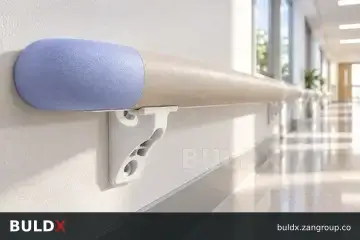
Choose a corridor handrail by its grip geometry, wall projection, fixing arrangement and the protection needed along the route. A combined handrail and wall guard serves a different function from a simple support rail.
Read guide: How to select hospital corridor handrails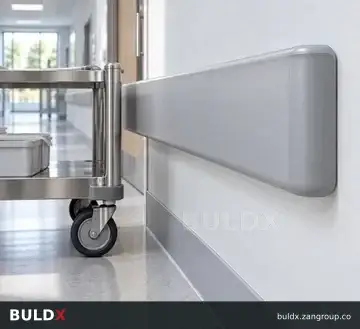
Interior ProtectionSelection guide
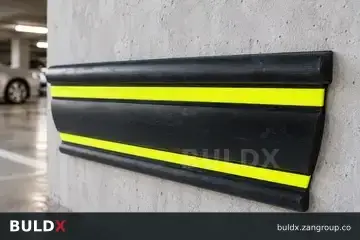
Select a crash rail around the equipment that actually contacts the wall. Rail width and projection matter, but a correctly sized rail installed above or below the impact zone can still leave the finish exposed.
Read guide: Crash rails: match protection height to trolley impact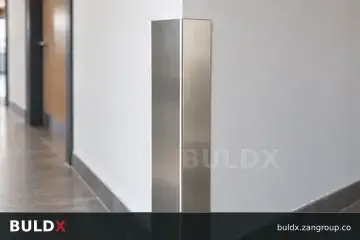
Interior ProtectionSelection guide
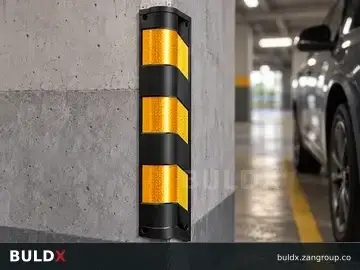
Match a corner guard to the actual wall angle before comparing its material or colour. Equal wing widths do not make a 90-degree guard interchangeable with a 135-degree guard.
Read guide: 90-degree and 135-degree corner guards: why angle matters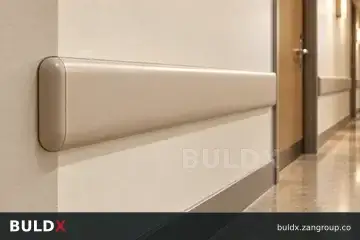
Interior ProtectionSelection guide
Compare wall protection materials against impact exposure, appearance, cleaning and fixing. A metal angle and an aluminium-backed vinyl guard are different assemblies, even when their visible dimensions are similar.
Read guide: Aluminium, vinyl and stainless steel wall protection compared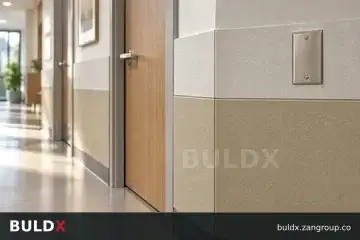
Interior ProtectionSelection guide
Plan wall protection panels as a coordinated wall layout. Door openings, sockets, signs and access panels affect the cutting schedule and the final protection coverage.
Read guide: Planning wall protection panels around doors and services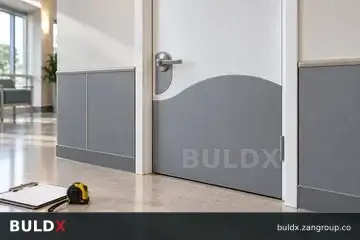
Interior ProtectionSelection guide
A door protection plate should be scheduled against the door leaf, hardware and opening arrangement. Its width is not automatically the width of the door opening.
Read guide: Door kick plates: dimensions to confirm before ordering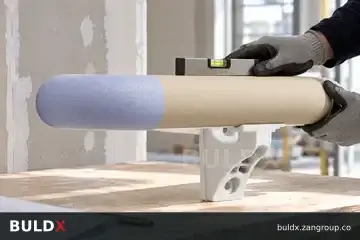
Interior ProtectionSelection guide
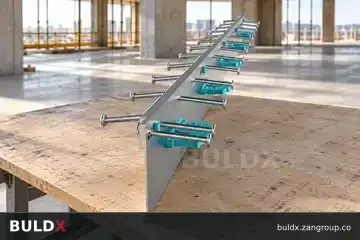
For a lightweight partition, the wall protection fixing is part of the wall assembly. The profile alone cannot compensate for missing reinforcement behind the board.
Read guide: Fixing wall protection to lightweight partitions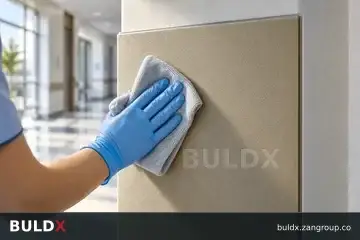
Interior ProtectionSelection guide
Choose a cleaning procedure that matches the actual cover, coating or metal finish. A general claim of cleanability does not establish compatibility with every disinfectant or solvent.
Read guide: Cleaning wall protection without damaging the finish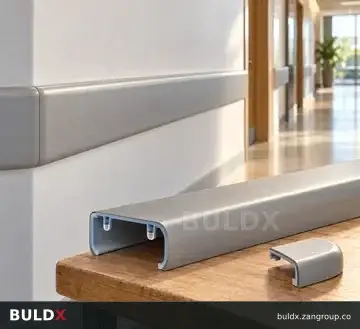
Interior ProtectionSelection guide
Order replacement wall protection parts against the installed system code and section geometry. Colour similarity is not enough to prove that a cover or cap will fit.
Read guide: Ordering replacement covers, caps and corners correctly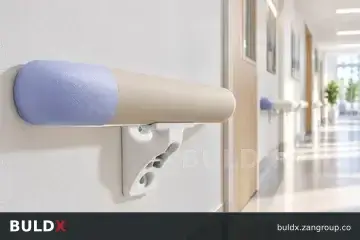
Interior ProtectionSelection guide
A useful wall protection enquiry identifies the system, locations, dimensions and accessories. A total running length without corner and end details often produces incomplete quotations.
Read guide: A practical RFQ checklist for wall protection systems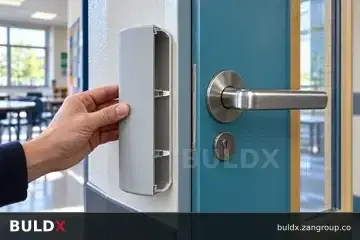
Interior ProtectionSelection guide
A wall guard near a door should be checked against the complete door movement and its hardware. Protecting the wall does not help if the guard creates a new collision with a handle, leaf or cleaning trolley.
Read guide: Coordinating Wall Guards with Door Swing and Hardware
Interior ProtectionSelection guide
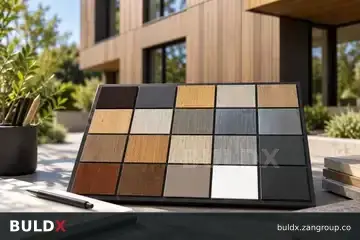
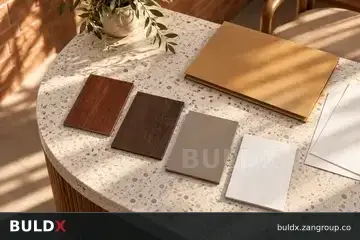
Colour approval needs a controlled physical sample and a clear delivery reference. A screen image or a broad colour name is not a dependable acceptance standard for wall protection delivered in several batches.
Read guide: Approving Wall Protection Colours Across Production Batches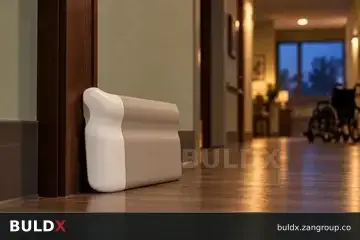
Interior ProtectionSelection guide
Handrail returns need coordination at corridor ends, door openings and changes in wall geometry. A straight rail schedule can miss the end condition that people encounter as they approach a doorway or turn a corner.
Read guide: Reviewing Handrail Returns at Corridor Ends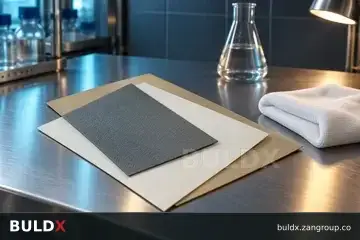
Interior ProtectionSelection guide
A sample cleaning trial lets the facility review a proposed maintenance method before applying it to a whole protection system. The trial should use the actual finish and the actual cleaning procedure, with its conditions recorded.
Read guide: Running a Cleaning Trial on Wall Protection Samples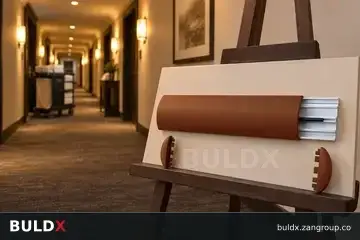
Interior ProtectionSelection guide
A room-based protection schedule translates building use into quantities that can be checked and ordered. It should identify the purpose of protection in each space, rather than spreading one standard detail across the entire project.
Read guide: Creating a Room-by-Room Wall Protection Schedule
Interior ProtectionSelection guide
Bed contact zones should be reviewed alongside outlets, medical service panels and the room layout. A protective component should not block equipment access or be assumed to position every type of bed safely.
Read guide: Coordinating Bed Locators with Wall Equipment
Interior ProtectionSelection guide
A substrate record captures what lies behind the finished wall before the guard hides it. It gives installers and maintenance teams evidence of reinforcement, services and the accepted fixing zone.
Read guide: Documenting the Wall Substrate Before Guard Fixing
Interior ProtectionSelection guide
A pre-installation accessory inventory helps avoid incomplete wall protection runs. Caps, corners, brackets and cover pieces should be checked against the selected assembly before the installer starts cutting straight lengths.
Read guide: Checking End Caps and Junction Accessories Before Fit-Out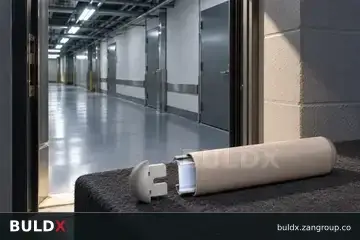
Interior ProtectionSelection guide
Snagging should compare installed wall protection with its approved detail while protecting the finished surface. Record defects consistently and distinguish appearance issues from attachment or assembly concerns.
Read guide: Snagging Wall Protection Without Damaging Finished Surfaces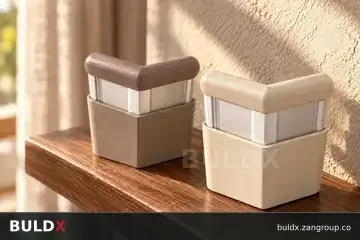
Interior ProtectionSelection guide
Replacement appearance needs comparison with the installed finish, not only the colour approved years earlier. Light exposure, cleaning and surface wear can change how a new component looks beside an existing run.
Read guide: Matching Replacement Wall Protection to Existing Interiors