Checking Cut Quality on Architectural Trims
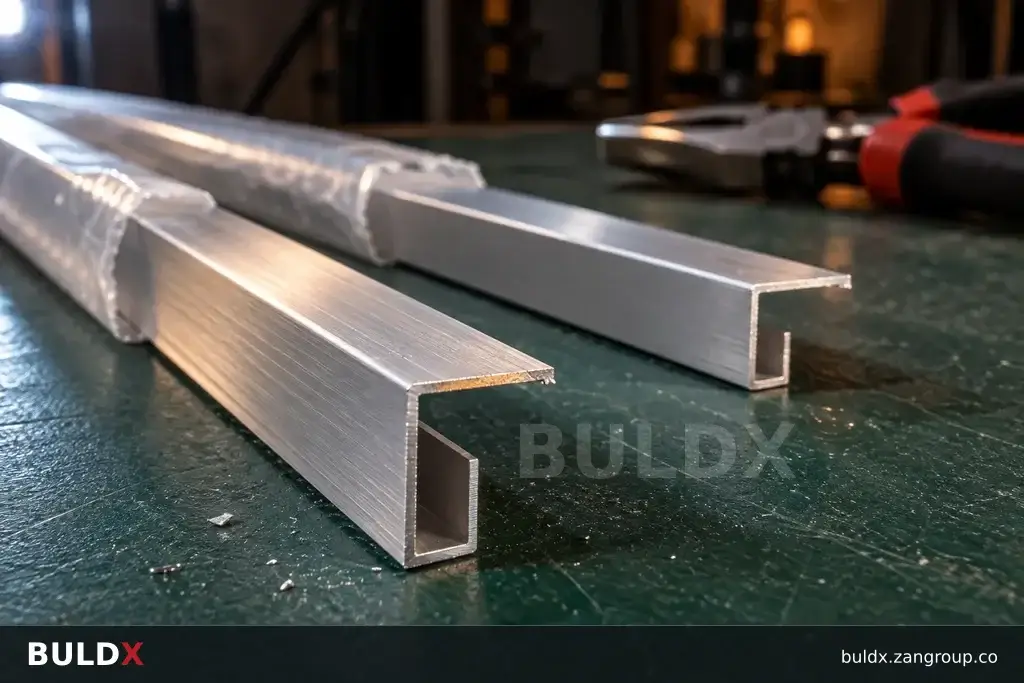
Cut quality affects how a finishing profile looks and how its end interfaces with adjacent work. Review representative cuts before a large quantity is prepared, especially where the end remains exposed.
Selection considerations
Confirm the permitted cutting method for the selected material and finish. Prepare samples using the equipment intended for site or workshop production. Protect the visible surface during handling so the review does not confuse transport scratches with the quality of the cut itself.
Inspect the cut edge, corner accuracy, visible coating condition and fit with any compatible cap or adjoining piece. Use the supplier's instructions for edge treatment; do not assume every metal or coated profile can be repaired with the same polishing or touch-up method.
Record the accepted sample and identify the operator or process used. Recheck quality when tools, batches or profile sections change. Keep rejected pieces separate so a damaged end is not hidden in a location that later becomes visible after furniture or equipment is moved.
Before you specify or order
- Demonstrate the intended cutting process
- Inspect edge and coating condition
- Confirm permitted edge treatment
- Segregate damaged pieces
Relevant BULDX catalogue examples
These records illustrate the product types discussed. Compare the full specifications before selecting; listing here does not establish project suitability or make the items interchangeable.
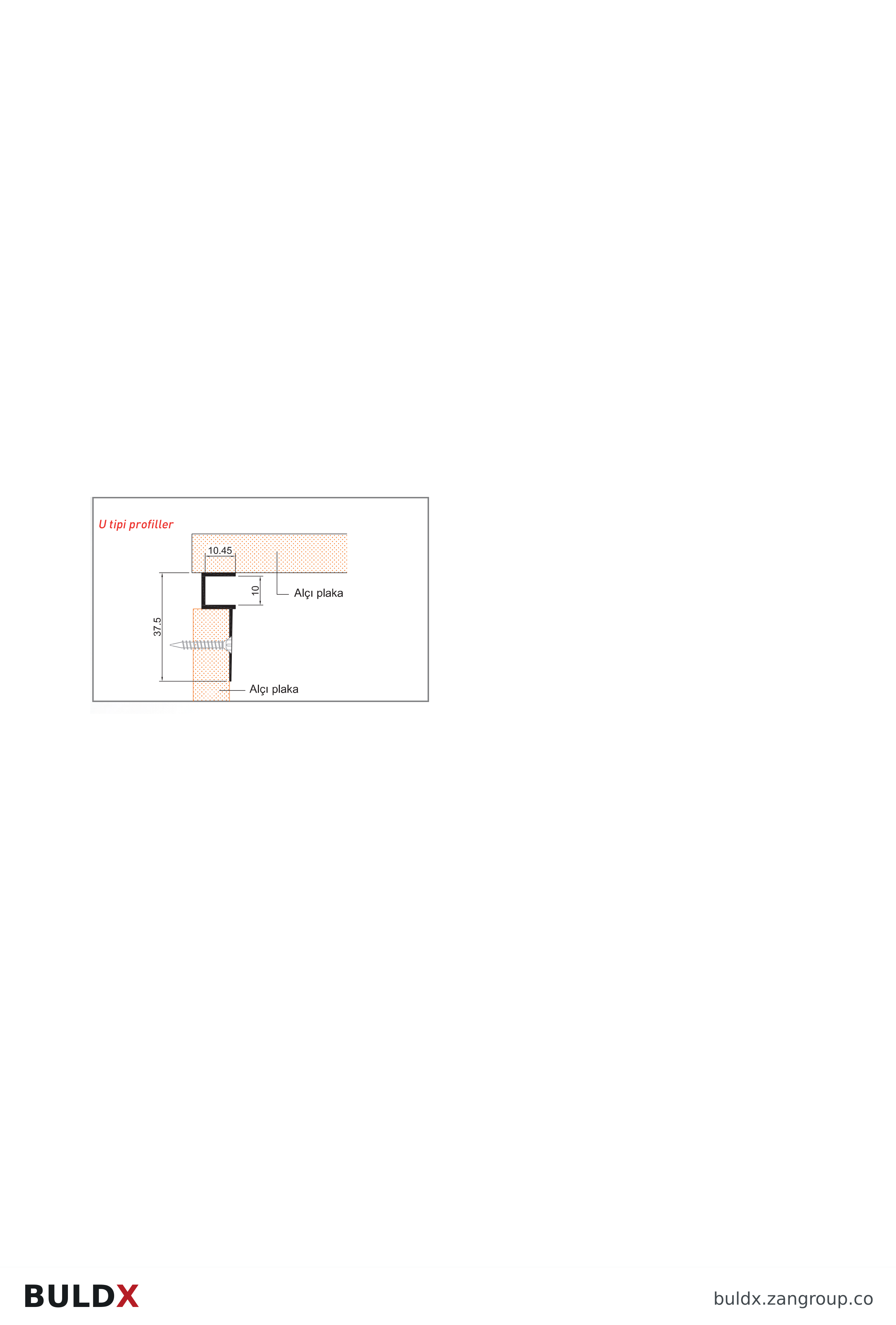
BDX-DB-AL-U-12-SF · Exact source section and dimensions. Unperforated, screw-hole and press-perforated supply alternatives are explicitly stated in the source; perforation pattern is not visible in this cross-section.| Product and code | Selected catalogue fields |
|---|---|
BDX-DB-AL-U-12-SFAluminium U-Section Plasterboard Profile · 10 mm · Screw holesPlasterboard Finishing Profiles |
|
BDX-DB-AL-F-11-UFAluminium F-Section Plasterboard Profile · 10 mm · UnperforatedPlasterboard Finishing Profiles |
|
BDX-DB-AL-F-11-SFAluminium F-Section Plasterboard Profile · 10 mm · Screw holesPlasterboard Finishing Profiles |
|
Common question
Can a cap excuse a poor cut?
Not automatically. The cut still needs to suit the approved assembly and any concealed connection requirements.
References and scope
Product fields are from the BULDX catalogue. Confirm the current selected drawing, supporting performance documents and approved project detail before ordering. External references, where listed, provide background guidance and do not certify these products.