Cladding collections and individual profiles: know what is specified
A cladding collection entry describes a range, not necessarily one dimensioned product. Select the actual profile, material and finish before turning a collection reference into an order.
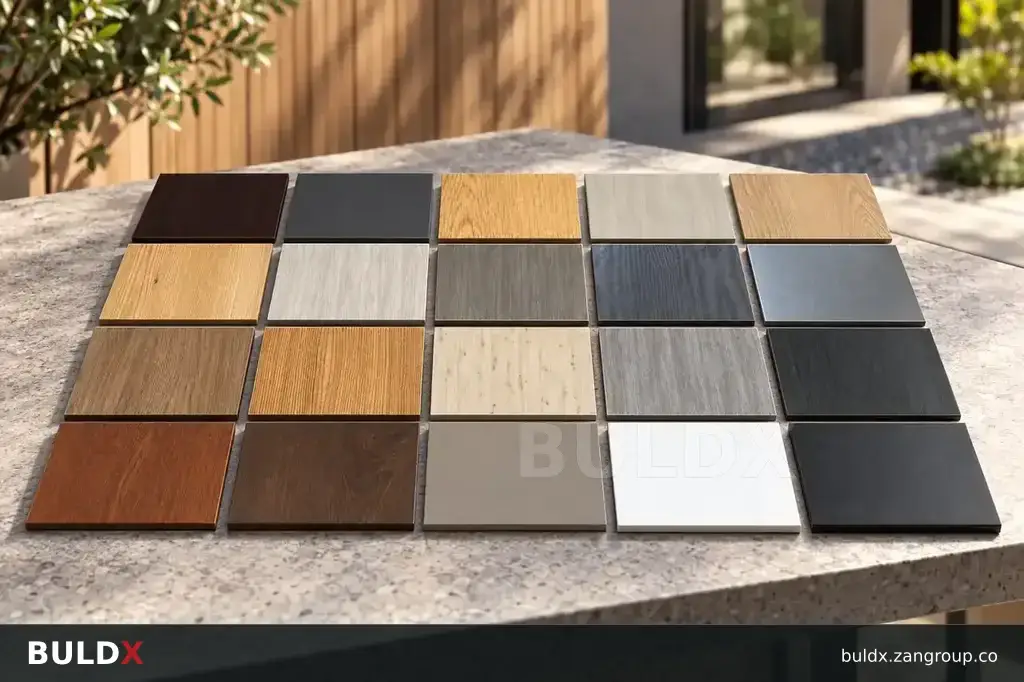
Selection considerations
Start with the intended internal or external application and a marked-up elevation. Record joints, corners and interfaces with openings. Ask for the selected section drawing and component list within the collection.
Confirm fixing, substrate and any supporting framework. Keep required fire, weather or acoustic performance as documented checks for the actual assembly. A broad collection description should not become a project-specific claim. Save the selected code, dimensions and finish sample together so the installation and replacement teams know which item was approved.
Before you specify or order
- Select an individual section
- Confirm internal or external application
- Document the assembly and finish
Relevant BULDX catalogue examples
These records illustrate the product types discussed. Compare the full specifications before selecting; listing here does not establish project suitability or make the items interchangeable.
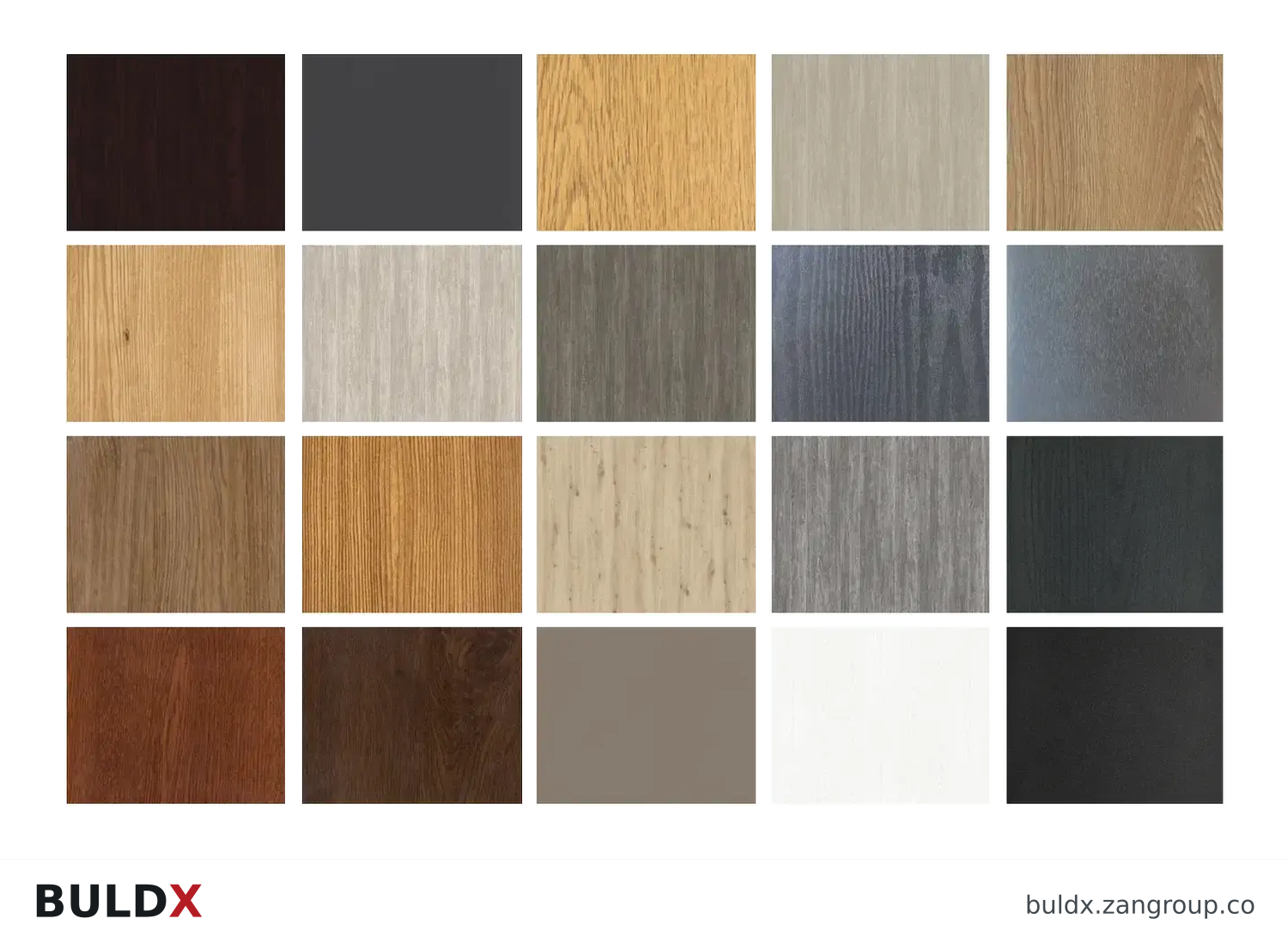
BDX-FC-EXT · Product geometry from the catalogue; a family illustration may be shared by variants. Consult the selected technical documents for dimensions and the approved fixing detail.| Product and code | Selected catalogue fields |
|---|---|
BDX-FC-EXTExterior Cladding Finish CollectionExterior Finishes |
|
BDX-FC-INTInterior Cladding Finish CollectionInterior Finishes |
|
Common question
Can a collection illustration define the order?
No. Procurement needs the selected product dimensions, components and approved finish.
References and scope
Product fields are from the BULDX catalogue. Confirm the current selected drawing, supporting performance documents and approved project detail before ordering. External references, where listed, provide background guidance and do not certify these products.