Sun breaker and baffle profiles: geometry versus shading design
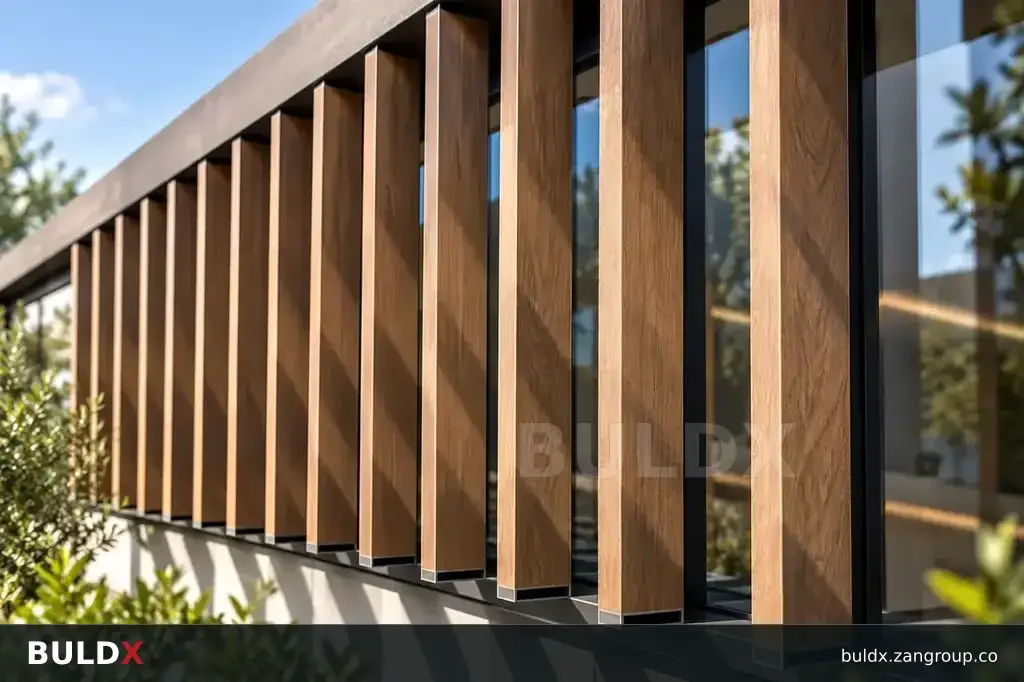
Sun breaker and baffle profiles should be selected within a coordinated facade or ceiling layout. The section dimensions identify the component; spacing and orientation determine the architectural arrangement.
Selection considerations
Show support rails, fixing points and clearances on drawings. Distinguish a decorative baffle from a component intended for an externally loaded assembly. Ask for the selected profile's connection detail rather than using a generic clamp.
Coordinate shading objectives, maintenance access and project loading with the appropriate designers. Include ends and corner transitions in the schedule. Keep colour and finish samples linked to full codes so several similar linear profiles remain identifiable through procurement.
Before you specify or order
- Draw spacing and orientation
- Confirm support and connection details
- Distinguish decorative and external applications
Relevant BULDX catalogue examples
These records illustrate the product types discussed. Compare the full specifications before selecting; listing here does not establish project suitability or make the items interchangeable.
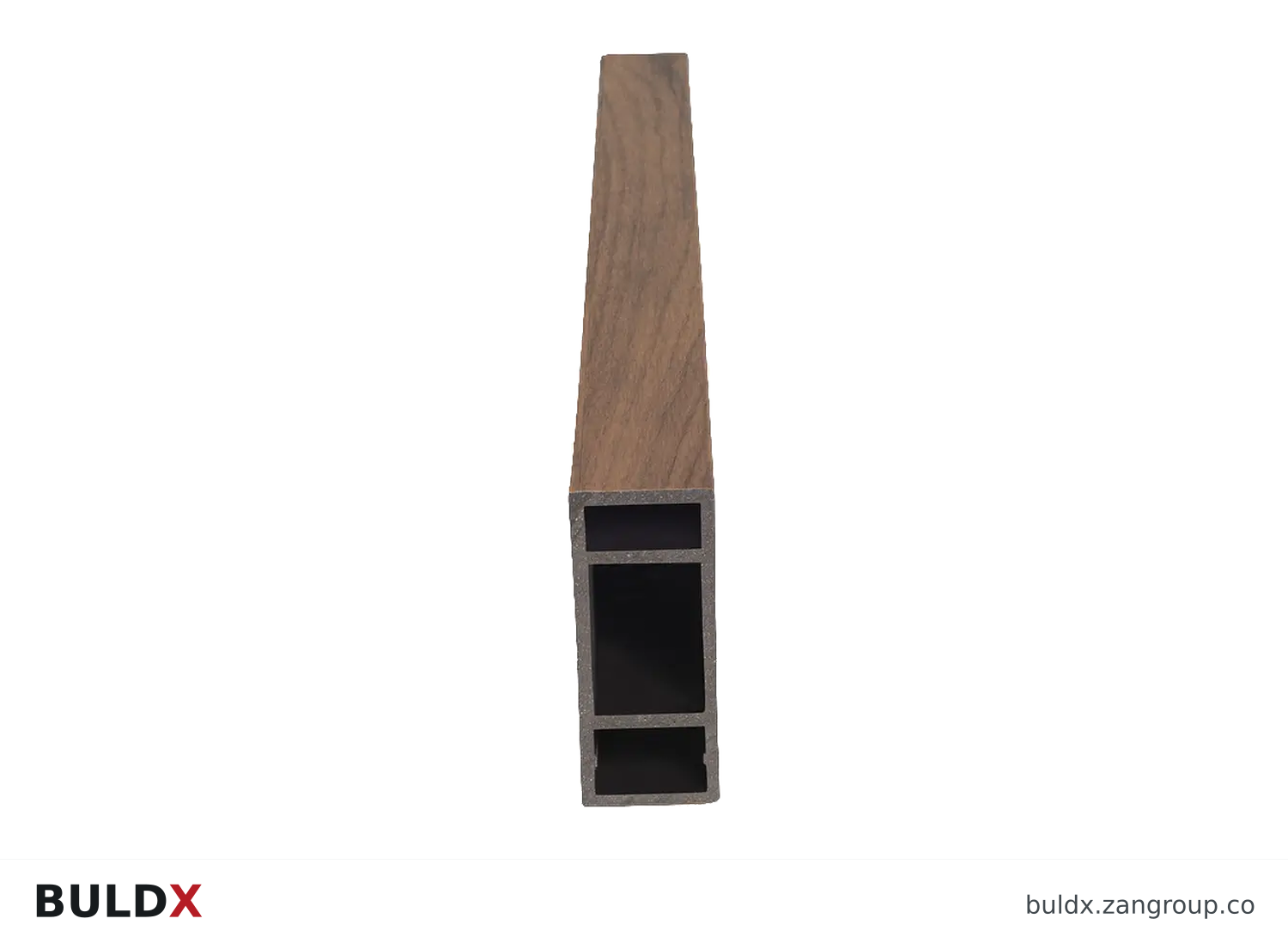
BDX-SB-BAFFLE-40100 · Product geometry from the catalogue; a family illustration may be shared by variants. Consult the selected technical documents for dimensions and the approved fixing detail.| Product and code | Selected catalogue fields |
|---|---|
BDX-SB-BAFFLE-40100Baffle Profile 40 × 100Baffle Profiles |
|
BDX-SB-SATURN-5022Saturn Profile 50 × 22Linear Profiles |
|
Common question
Does profile width alone establish shading performance?
No. Orientation, spacing and the building geometry also affect the design.
References and scope
Product fields are from the BULDX catalogue. Confirm the current selected drawing, supporting performance documents and approved project detail before ordering. External references, where listed, provide background guidance and do not certify these products.