
Water & Roof SystemsSelection guide
Select a waterproof movement band by the joint detail, movement requirement and bonding system. Overall band width is not automatically the width of the movement zone.
Read guide: Waterproof movement bands: width is only one selection field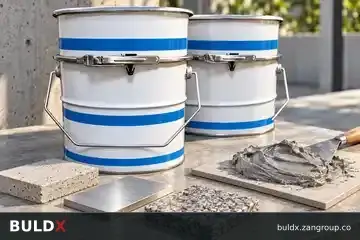
Water & Roof SystemsSelection guide
A sealing adhesive must be compatible with both the band and the prepared substrate. Selecting either component independently can leave the actual bond system unverified.
Read guide: Matching sealing adhesives to band and substrate
Water & Roof SystemsSelection guide
Corner sealing tape belongs in a coordinated wet-area detail, particularly where walls, floors and penetrations meet. It should connect with the selected waterproofing layers rather than sit as an isolated strip.
Read guide: Corner sealing tapes at wet-area changes of plane
Water & Roof SystemsSelection guide
Evaluate a butyl sealing tape by its backing, dimensions, bonding surface and intended exposure. A roll width alone does not describe where the finished tape can be used.
Read guide: Butyl sealing tapes: backing, surface and termination checks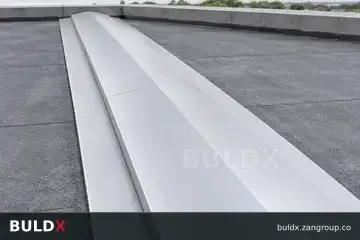
Water & Roof SystemsSelection guide
A roof expansion joint must connect movement accommodation with continuous waterproofing. The exposed profile and the concealed weatherproofing detail should be reviewed together.
Read guide: Roof expansion joints and waterproofing continuity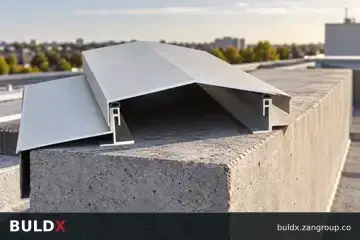
Water & Roof SystemsSelection guide
Order parapet copings against the finished wall width, edge geometry and connection detail. A generic coping family reference does not establish a project-ready size.
Read guide: Parapet copings: measure geometry before selecting a cover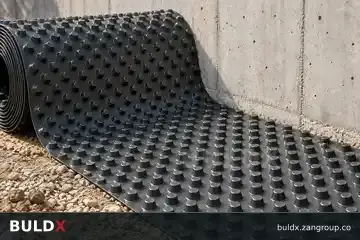
Water & Roof SystemsSelection guide
Compare drainage sheets by their declared geometry and backing layers. A plain dimpled sheet, a felt-backed sheet and a perforated configuration are distinct product types.
Read guide: Drainage sheets: compare dimple height and backing layers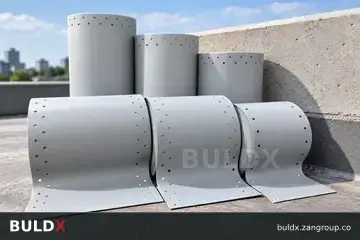
Water & Roof SystemsSelection guide
Review terminations and intersections before approving a waterproofing system. A straight section may be correctly selected while the end connection remains undefined.
Read guide: Why waterproofing terminations deserve a separate review
Water & Roof SystemsSelection guide
Protect sealing materials during storage and installation so the working and bonding surfaces remain suitable. Damage or contamination before use can undermine a carefully selected detail.
Read guide: Handling sealing bands and tapes before installation
Water & Roof SystemsSelection guide
A useful enquiry defines the water-control detail and the surrounding build-up. Separate product dimensions from the required performance and installation scope.
Read guide: Preparing a waterproofing and roof-system enquiry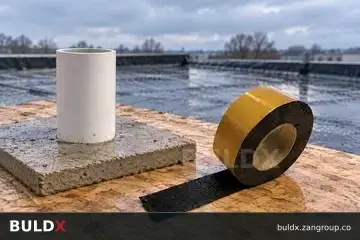
Water & Roof SystemsSelection guide
Waterproofing around a penetration should be reviewed as a coordinated interface, not as a generic tape application. The pipe or service, substrate and selected waterproofing system all affect the approved detail.
Read guide: Reviewing Waterproofing Interfaces Around Penetrations
Water & Roof SystemsSelection guide
A lap sample makes overlap and bonding requirements visible before repeated site work begins. It should reproduce the proposed system and method, rather than showing an attractive seam made with different materials.
Read guide: Approving Waterproofing Lap Samples Before Site Work
Water & Roof SystemsSelection guide
A weather log makes the application conditions for waterproofing traceable. Its value is in comparing actual observations with the selected product's instructions, not in assigning a universal acceptable temperature to all tapes and membranes.
Read guide: Keeping a Weather Log for Waterproofing Work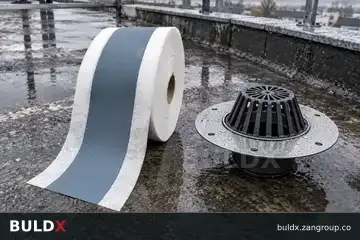
Water & Roof SystemsSelection guide
The roof outlet interface should connect the waterproofing detail to the drainage design. A compatible-looking flange and membrane sample are a starting point for review, not proof of a completed watertight assembly.
Read guide: Coordinating Waterproofing with Roof Drainage Outlets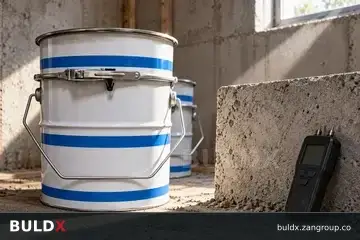
Water & Roof SystemsSelection guide
Substrate readiness should be documented before a sealing product is applied. A surface that looks dry and clean may still need assessment against the selected adhesive or tape's preparation requirements.
Read guide: Documenting Substrate Condition Before Sealing
Water & Roof SystemsSelection guide
A change-of-plane mockup should demonstrate the complete corner arrangement and installation sequence. It can reveal missing pieces or uncertain interfaces before the same condition is repeated across bathrooms, terraces or roof upstands.
Read guide: Building a Change-of-Plane Waterproofing Mockup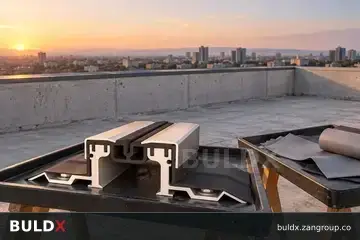
Water & Roof SystemsSelection guide
Waterproofing inspection should be planned before layers are covered. A staged plan identifies what must be checked at each point and what evidence the next trade needs before proceeding.
Read guide: Planning Inspection Stages Before Waterproofing Is Covered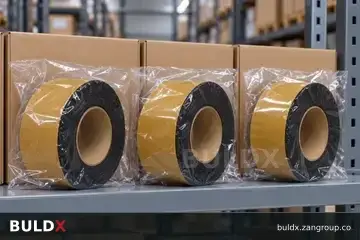
Water & Roof SystemsSelection guide
A waterproofing delivery check should identify the product, batch and applicable storage or shelf-life information before material is issued to the site. A correct roll width does not establish that every delivered item is ready for use.
Read guide: Checking Waterproofing Deliveries and Shelf-Life Records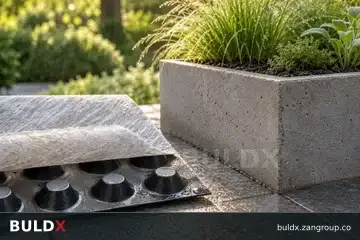
Water & Roof SystemsSelection guide
Drainage sheets below landscaped areas need coordination with the planting build-up and waterproofing protection. Sheet selection should be connected to the complete detail rather than judged from the dimple pattern alone.
Read guide: Coordinating Drainage Sheets Below Landscaped Areas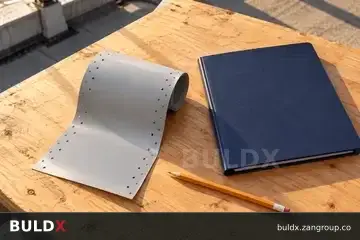
Water & Roof SystemsSelection guide
A local waterproofing repair should remain traceable after the finished surface hides it. Record the repair area, reason and approved materials so later maintenance can distinguish the original system from a changed detail.
Read guide: Recording Local Waterproofing Repairs for Future Maintenance